
Blue Bird Blog
Choosing the Right Fonts in Web Development
Discover how to select the perfect fonts for your web projects with our essential guide. Learn the dos and don'ts of typography in web design for engaging user experiences.
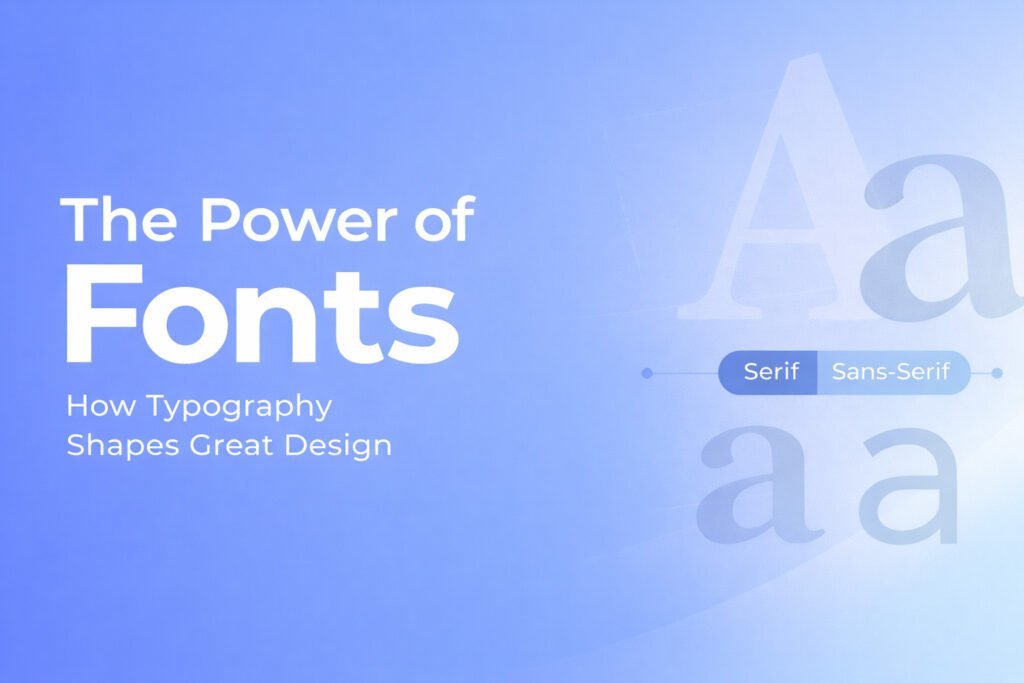
Understanding Fonts in Web Development
When it comes to web development, the choice of fonts can significantly impact user experience and brand identity. Whether you’re a graphic designer or a web developer, knowing the essential fonts rules on web pages can elevate your work to the next level.
The Importance of Font Selection
The right fonts can enhance readability, convey your brand’s personality, and create a cohesive visual experience. Let’s delve into why font choices matter.
Readability
A font that is difficult to read can turn visitors away from your website. Simple, clean fonts tend to perform better. Make sure that your chosen fonts are legible across different devices and screen sizes.
Brand Identity
Fonts can communicate emotions and values. For instance, a tech company might opt for sleek, modern fonts, whereas a luxury brand might choose elegant serif fonts to convey sophistication.
Basic Rules for Choosing Fonts
- Limit Your Choices: Stick to two or three fonts to maintain harmony.
- Consider Contrast: Use contrasting fonts for headings and body text to draw attention.
- Think About Weight: Different font weights can add visual interest and hierarchy.
- Avoid Overly Decorative Fonts: Unless it fits your project, steer clear of fonts that distract.
Combining Fonts Effectively
Combining fonts can be tricky but rewarding if done correctly. Here are a few tips:
Know Your Types
Understand the difference between serif, sans-serif, and display fonts. Serif fonts often evoke a traditional feel, while sans-serif fonts are more modern and clean.
Pairing Fonts
When combining fonts, try to:
- Match a serif with a sans-serif font for contrast.
- Use a bold font for headlines and a lighter font for body text.
- Limit variations—especially in weight or style—to avoid a chaotic look.
Utilizing Web-Safe Fonts
Web-safe fonts are those that are universally available across different browsers and operating systems. Popular web-safe font families include:
- Arial
- Times New Roman
- Courier New
- Georgia
- Verdana
Using these fonts ensures that your website looks the same for everyone, but don’t shy away from exploring web fonts offered through platforms like Google Fonts.
Responsive Typography
In today’s multi-device world, making sure your typography adapts is essential. Here are key points to consider:
- Use relative units (like ems or rems) instead of fixed sizes (like px) to make fonts responsive.
- Test fonts on various devices to ensure legibility and visual appeal.
Final Thoughts
Choosing the right fonts in web development isn’t just about making a page look good; it’s about enhancing user experience and reflecting your brand’s identity. By following the fonts rules on web pages outlined in this guide, you can create beautiful, effective sites that resonate with your audience.
Conversation
0 comments
Be the first person to respond to this post.